
Why Stress Makes You Forget and How to Stay Sharp with Nootropics
- Năo-I-Know

- Nov 10, 2025
- 3 min read
Updated: Nov 11, 2025
In this article, we will cover:
How stress hijacks your memory systems
Why distractions and overload affect recall
The difference between short-term and long-term memory
Science-backed tools to recharge and protect memory
Where nootropics fit into staying clear and focused

How Stress Hijacks Memory
Short-term memory’s like a quick post-it note in your brain - a temporary space. Long-term memory’s your archive, where things get stored for real, right next to embarrassing childhood memories or your wedding day. While stress doesn’t erase memories, it can block their upload. That’s why chronic stress feels like brain fog: you’re there, reacting, doing things, but nothing sinks in. It’s like your brain’s running on low battery, still online, but skipping backups.
Your brain runs on two main computer settings: deep thinking or survival mode. When stress is high, your system floods with cortisol, the hormone that triggers your body's "we might be in danger" response. In small doses, it's brilliant: you get sharper, faster, more alert (think running away from your ex when you see them in public after the breakup)…but in today’s world, your brain can’t tell the difference between a predator and a pile of unread emails.
Stay in that state too long, and cortisol starts wearing down the hippocampus, your brain’s librarian for memories (think of how a librarian sorts and indexes books so you can retrieve your favorite story when you need it). If chronic stress persists, you don’t just forget more; your ability to think clearly, plan, and recall details can fade.
Chronic stress does a few nasty things:
Shrinks hippocampal neurons (yes, your brain cells can lose weight, just not the kind you want)
Throws off dopamine and serotonin (your built-in cheerleader for motivation and joy)
Destroys focus and recall speed (your brain is online, but the connection is unstable)
Wrecks your sleep rhythm (you’re tired, wired, and wide awake at 3 a.m.)
You can’t bubble-wrap yourself from stress, but you can build habits that keep your brain from burning out:
Do nothing, on purpose. Step away. Breathe. Stare out a window, and seriously get bored! It’s not lazy, it’s neurological spring cleaning. When your mind pauses, your stress hormones drop, and memory circuits get a chance to reset.
Sleep properly. Deep sleep is when your brain fuses memories. Think of it as your nightly memory back-up system; if you skip it, files can go missing.
Move your body. Exercise increases blood flow and the delivery of growth factors to your hippocampus. Even light movement rebuilds the very structures that stress breaks down.
Train your focus like a muscle. Read one page without checking your phone. Tomorrow, do two. You’re rebuilding your attention span. Focused attention is the gatekeeper for memory; you can’t store what you never fully notice.
Eat for brain resilience. Magnesium, omega-3 fatty acids, and antioxidants all buffer cortisol. Coffee and chaos don’t count. What you feed your brain determines how well it recovers from daily overload.
Where Nootropic Support Fits In:
Over time, chronic stress can drain your energy and steal the nutrients your brain actually needs to function, like that one friend who crashes on your couch and eats all your snacks.
It burns through magnesium, serotonin precursors, and antioxidants, leaving your mind foggy and your focus MIA. Sure, good sleep, movement, and mindfulness are essential, but sometimes your brain needs more than a nap and a green smoothie. That’s where targeted support steps in to refill the tank and get your system running smoothly again. Nootropic support may help rebuild that chemical foundation, allowing memory and focus to recover.
restNAO was designed for that recovery state where memory and calm return naturally.
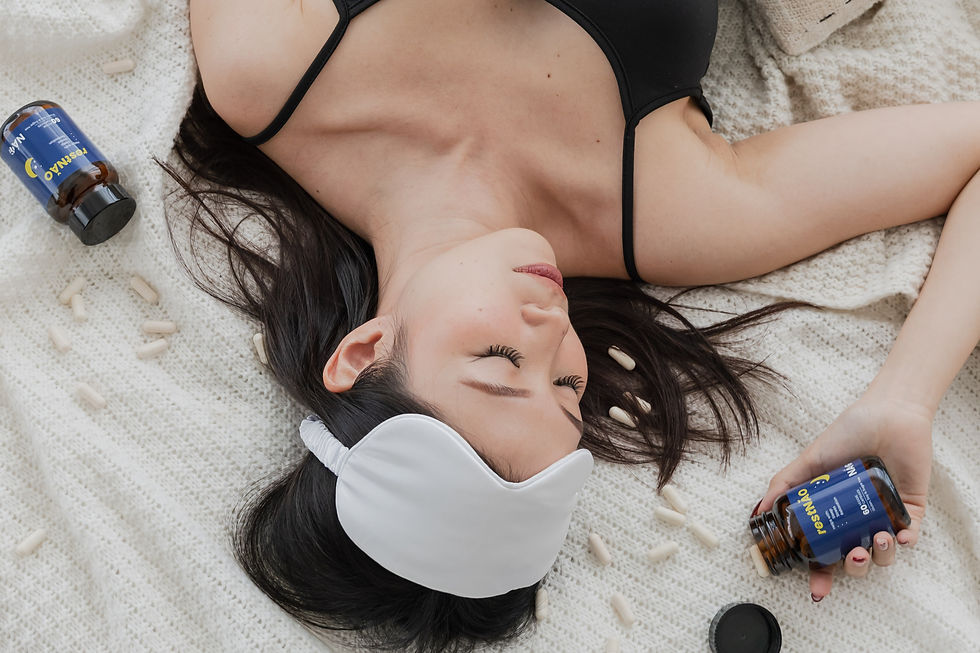
Rice Bran Extract (Gamma Oryzanol & Beta Sitosterol): Calms the nervous system and eases oxidative stress, which is the cellular “rust” caused by chronic tension.
Magnesium Glycinate: Fuels GABA, the neurotransmitter that helps your mind and body unwind. Think of it as hitting “mute” on background noise.
5-HTP: Supports serotonin and melatonin to improve rest, mood, and recovery. You’ll handle stress better and wake up feeling like you actually slept.
Users often notice fewer 3 a.m. wake-ups, steadier focus, and clearer recall within days. It helps your brain remember what “off” feels like, the state where clarity, rest, and recall rebuild. Clarity begins when your mind finally has the space to breathe.
Stress will always be part of being human, but brain fog, forgetfulness, and endless overthinking don’t have to be. Your mind isn’t built to run nonstop. Give it breaks, and it’ll reward you with focus, energy, and memory that actually works when you need it.



Comments